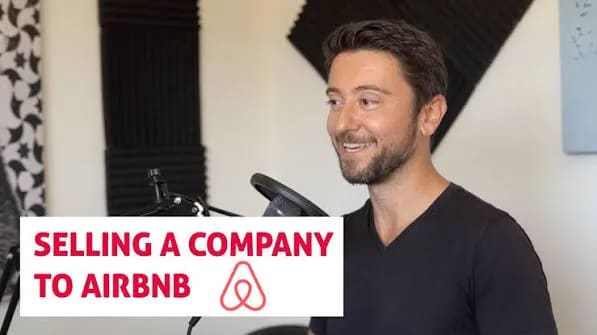
Jason Zigelbaum: Running solo, he changed his mind about who is smartest in the businessAlone, a bad idea can live unchallenged. Jason Zigelbaum moved from “make sites more fun” polls to asking Why after purchase—two years to traction—and learned to ask first, then change his mind: customers together are smarter than you.ValidationFocusSaaSAug 20, 2026
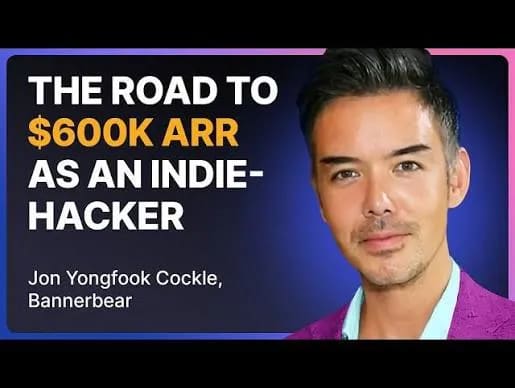
Jon Yongfook: After seven products in seven months, he stopped niching the pain to deathBlank stares when he asked “do you know Open Graph?”—Jon Yongfook moved from seven zero-revenue ships and Previewmojo to Bannerbear: pain must recur often, the pitch must be plain, focus must be one thing.SaaSIndie makerValidationAug 20, 2026
Tibo Louis-Lucas: He sold two products for $8M—and says he’ll never sell againAfter nearly quitting, shipping weekly until Tweet Hunter and Taplio hit, then selling near $8M—Tibo changed two rulers: only revenue validates, and owning your days beats one big exit check.ValidationIndie makerFocusAug 20, 2026
Jack Friks: Four years of feeling like a failure—then he changed how he finds productsAfter four years of “making money online” and a year of coding still stuck near $3K/month, Jack Friks broke down on a walk. What changed was not hustle—it was the map: from opportunity lists to daily taxes, turning manual cross-posting into Post Bridge.Jack FriksValidationSaaSAug 20, 2026
Lenny Rachitsky: three Airbnb steps ordinary teams can copyNot copying Airbnb—shrinking the problem space: nail the problem, define the ideal end state, then cut other roads and concentrate resources. Most teams do the reverse: features, endless polish, headcount everywhere.Problem statementAirbnbProduct managementAug 12, 2026
Luo Yonghao: after Smartisan fell, how livestream put him backSmartisan died; the debt did not. He lost financing credit but kept attention credit—the same mouth shifted from selling the future to selling tonight—pay first, pry himself out of the company, and win agency back.True Debt SagaLivestream commerceJiaogepengyouAug 12, 2026
Chen Rui: after UA got expensive, why Bilibili cut games firstIn greenfield days a good game could earn; in a stock market “good” is not enough. Chen Rui raised greenlight bars—long life, head tier, reasonable cost—and cut failing projects before launch, ending “finish it first, then see.”Stock market competitionBilibiliGame greenlightAug 12, 2026
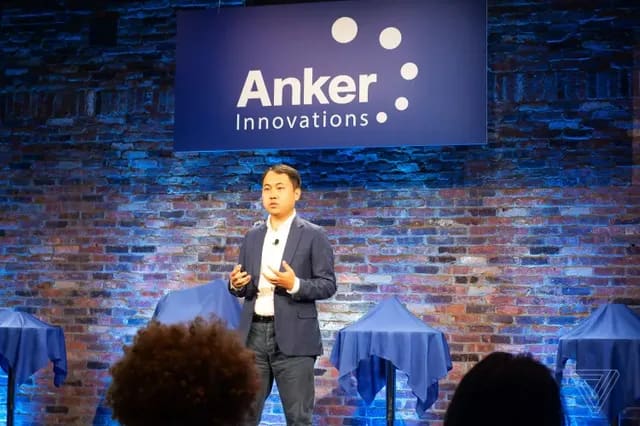
Yang Meng: how Anker made DTC a second engine—and left the Amazon-seller labelAmazon can stay the biggest channel without remaining the company. Yang Meng pushed Anker omnichannel and DTC—small share, sharp growth—tearing off the “big seller” label by reclaiming user ownership from the marketplace page.AmazonAnker InnovationsDTC websiteAug 12, 2026
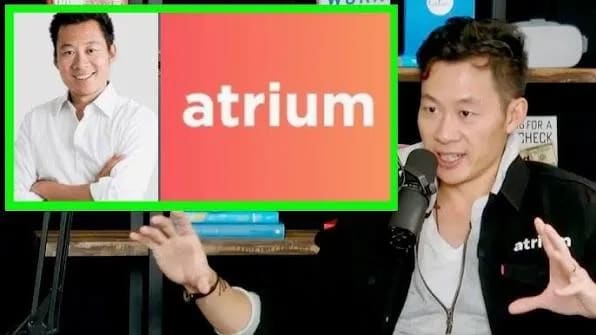
Justin Kan: Atrium raised $75M and still shut down—what he believes nextStill funded, he chose stop and returned capital—the first time Justin Kan quit proving himself. After Atrium he no longer believed “get big” was itself the answer, or that the ability to scale meant this thing deserved to.FundraisingAtriumStartup failureAug 12, 2026
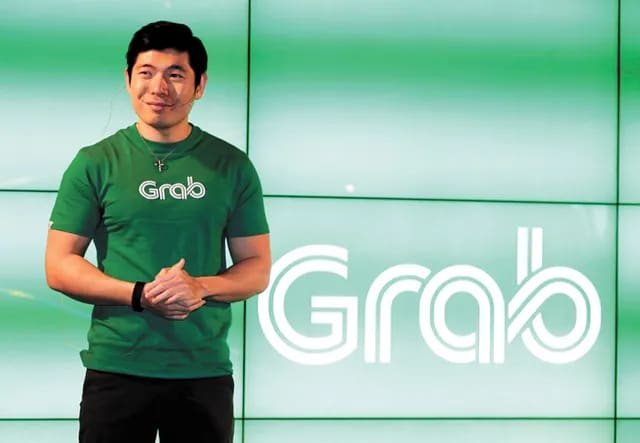
Anthony Tan: at Grab, why locals in charge beats learning subsidiesSubsidies copy overnight; locals in charge do not. Anthony Tan moved his family to Jakarta and put locals in top seats—localization’s hard part is HQ admitting it does not know, and letting the standard product be rewritten beyond recognition.Super appAnthony TanLocalizationAug 12, 2026